What Is Performance Physical Therapy? A Guide for Runners, Athletes and Active Adults in Brookline
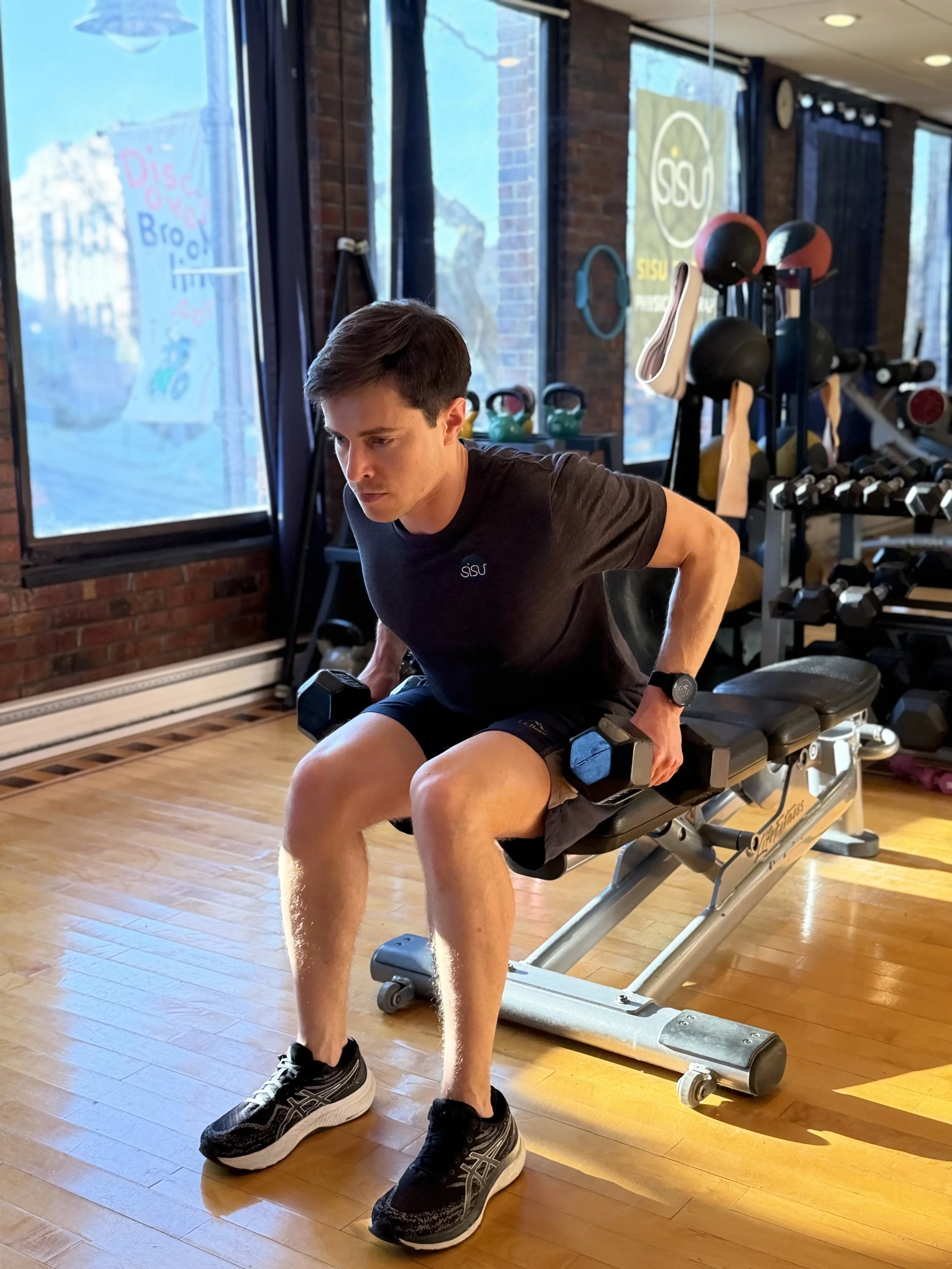
If you’ve ever been told to “just stop running,” “rest for a few weeks,” or “do these generic exercises,” you’ve likely experienced the gap between traditional physical therapy and a performance-based approach. For active adults and endurance athletes, that gap matters. The goal is to not just feel better, but to continue training, build capacity, and avoid repeating the same cycle of injury.
What is performance physical therapy?
Performance physical therapy is a load-based, progressive approach to rehab and training designed for people who want to stay active. Instead of focusing only on pain, it focuses on answering a more useful question:
Can your body handle the demands you’re placing on it?
At its core, this model is built around a simple concept:
Your body has a certain capacity (what it can tolerate)
Training applies load (stress to tissues)
When load exceeds capacity, pain or injury occurs
This is why injuries often don’t come out of nowhere. They’re usually the result of a mismatch that’s been building over time.
Why do injuries keep coming back?
One of the most frustrating patterns for runners and active adults is this:
Pain shows up→You rest→Pain goes away→You return to training→Pain comes back
This cycle happens because rest reduces symptoms, BUT it also reduces capacity.
When you stop loading tissues entirely, they lose tolerance to stress, making you more vulnerable when you return to activity.
Performance physical therapy breaks this cycle by keeping some level of appropriate loading in place during recovery.
Can you keep working out during physical therapy?
In most cases, yes—and that’s often the better approach. Research consistently shows that gradual, progressive loading helps tissues adapt and recover, rather than prolonged rest alone.
That doesn’t mean pushing through pain blindly. It means adjusting:
Volume (how much)
Intensity (how hard)
Frequency (how often)
For example, instead of stopping running completely, you might:
Reduce mileage
Remove speed work temporarily
Adjust terrain or pacing
This allows you to maintain fitness while improving tissue capacity.
What does performance physical therapy actually include?
A well-designed plan goes beyond isolated exercises and looks more like structured training.
1. Load Management
Training isn’t removed—it’s modified. This may include changes in mileage, intensity, or cross-training to keep stress within a tolerable range.
2. Strength Training (Done Properly)
Strength work is not just about “activation.” It’s about improving your ability to tolerate force.
High-load strength training has been shown to improve running performance outcomes like time to exhaustion and time trial performance.
3. Movement Assessment
Rather than chasing “perfect form,” the focus is on identifying movement patterns that may be increasing unnecessary load on specific tissues.
4. Progressive Return to Performance
You’re not discharged when pain decreases. You’re progressed until you can handle the demands of your sport again.
Who is performance physical therapy for?
This approach is especially relevant for:
Runners increasing mileage or training for races
Triathletes balancing multiple training loads
Lifters returning after injury
Postpartum athletes navigating return to impact
Anyone frustrated by recurring injuries
When should you see a performance physical therapist?
You don’t need to wait until things get severe.
It’s worth addressing early if:
Pain shows up as training volume increases
Symptoms only appear at certain distances or intensities
You’ve tried resting but the issue keeps returning
You want to stay active during recovery, not stop completely
If you’re in Brookline and dealing with pain while training
Performance physical therapy is not about doing less. It’s about building your body’s ability to handle more. When rehab is approached like training, meaning progressive, specific, and individualized, you don’t just recover. You come back stronger and more resilient, with a plan that actually matches how you train.