Performance Physical Therapy vs. Traditional Physical Therapy: What You Need to Know
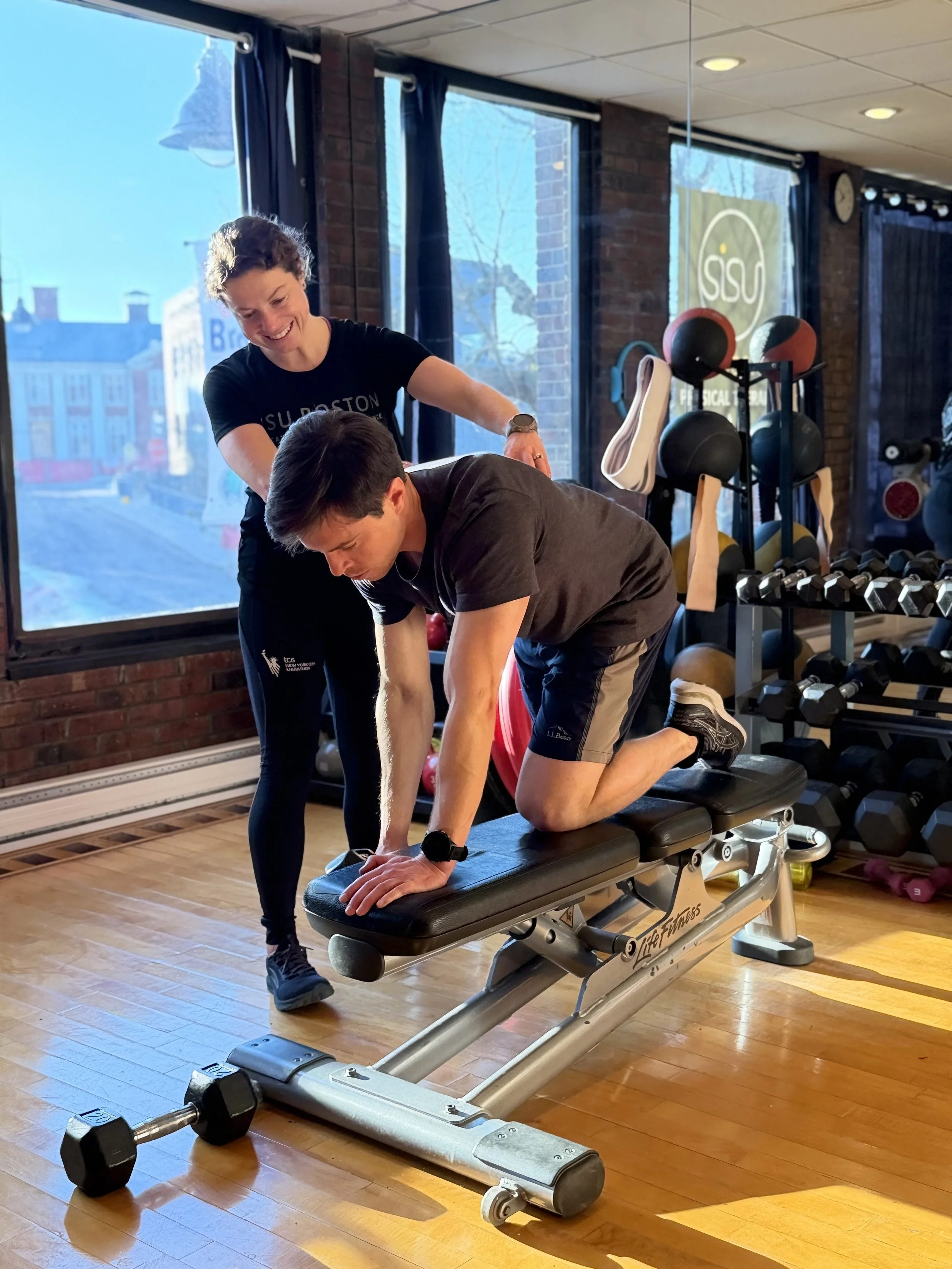
Performance Physical Therapy vs Traditional PT: What Active Adults in Brookline Need to Know
Most people assume physical therapy is a single, standardized experience. You get injured, you go to PT, you do your exercises, and eventually you feel better. But if you’re an active adult—someone who runs, lifts, or trains consistently—you’ve probably realized that this model often falls short.
You may have been through physical therapy before and thought:
“I feel better, but I don’t feel ready to train.”
“My pain went away, but it came back when I increased mileage.”
“These exercises don’t really connect to what I actually do.”
That disconnect is where performance physical therapy comes in. If you’re in Brookline or the greater Boston area and trying to return to higher-level activity, understanding the difference between these approaches is essential.
What is traditional physical therapy?
Traditional physical therapy is typically built around a medical model focused on symptom reduction and basic function.
In many settings, this means:
Shorter visits
Higher patient volume
Standardized exercise programs
A focus on reducing pain with daily activities
For someone recovering from surgery or trying to return to general movement, this can be effective.
But for active individuals, this approach often stops short of what’s actually needed.
What is performance physical therapy?
Performance physical therapy is designed for people who want to return to—or continue—training.
Instead of asking, “Does this hurt less?” the focus shifts to:
“Can your body tolerate the demands you’re placing on it?”
This approach builds on the same foundation of rehab but extends it into:
Strength development
Load management
Movement efficiency
Return-to-sport progression
If you’ve read about the concept of load versus capacity in injury, you already understand the core idea. If not, it’s worth exploring how that relationship drives both injury and recovery in more detail in this guide on how load and capacity influence injury risk and performance.
Why pain relief alone is not enough
One of the most common frustrations active adults experience is recurring injury. You rest, symptoms improve, and you return to activity—only for the pain to come back. This happens because pain reduction does not automatically mean your body is prepared to handle load. Without rebuilding strength and capacity, the same stress that caused the issue in the first place is still present. This is why many runners, for example, feel fine at lower mileage but develop symptoms again when training increases. A deeper look at this pattern is explored in this breakdown of why rest alone does not fix injuries and what actually drives recovery.
How the treatment approach differs
The differences between traditional and performance PT are not just philosophical—they show up in how treatment is structured.
1. Exercise selection
Traditional PT often focuses on:
Isolated muscle activation
Low-load exercises
General mobility
Performance PT prioritizes:
Progressive strength training
Multi-joint, functional movements
Exercises that translate to running, lifting, or sport
2. Progression
In many traditional settings, progression is limited or inconsistent.
In performance PT, progression is central.
You move from:
Low load → higher load
Bilateral → single-leg
Controlled → dynamic
This progression is what prepares you to return to real activity.
3. Activity during rehab
One of the biggest differences is how activity is handled.
Traditional approach:
Avoid aggravating movements
Rest until symptoms improve
Performance approach:
Modify activity
Maintain training where possible
Progress back to full load
If you’re wondering how to actually do this in practice, this guide on training through injury without making it worsebreaks down how to adjust load without stopping completely.
Why active adults in Brookline often feel stuck in rehab
Many active individuals follow a similar pattern:
They reduce activity
They complete a rehab program
They feel better
They return to training
Symptoms return
The missing piece is usually a lack of structured return to performance.
Without building toward the demands of your sport, your body is not fully prepared when you resume normal training.
What should rehab look like for runners and active adults?
A more effective approach includes:
Strength training that challenges the system
Clear progression toward sport-specific demands
Ongoing assessment of load tolerance
A plan for returning to running, lifting, or training
This is not about doing more exercises—it is about doing the right things at the right time.
How do you know if you need a performance-based approach?
You are more likely to benefit from performance physical therapy if:
Your symptoms return when training increases
You feel “fine” but not confident in your body
You want to continue exercising during rehab
You have specific performance goals
Not all physical therapy is designed for active people. If your goal is to return to running, lifting, or higher-level activity, your rehab needs to reflect those demands. Pain relief is only the first step. Building capacity is what keeps you there.
If you’re in Brookline and trying to return to training
You don’t need to settle for feeling “just okay.” A performance-based approach can help you move from recovery back to full training—with a plan that actually matches your goals.
If you want to work with a physical therapist who treats you like the active person you are, book your discovery call here.