How to Train Through Injury Without Making It Worse
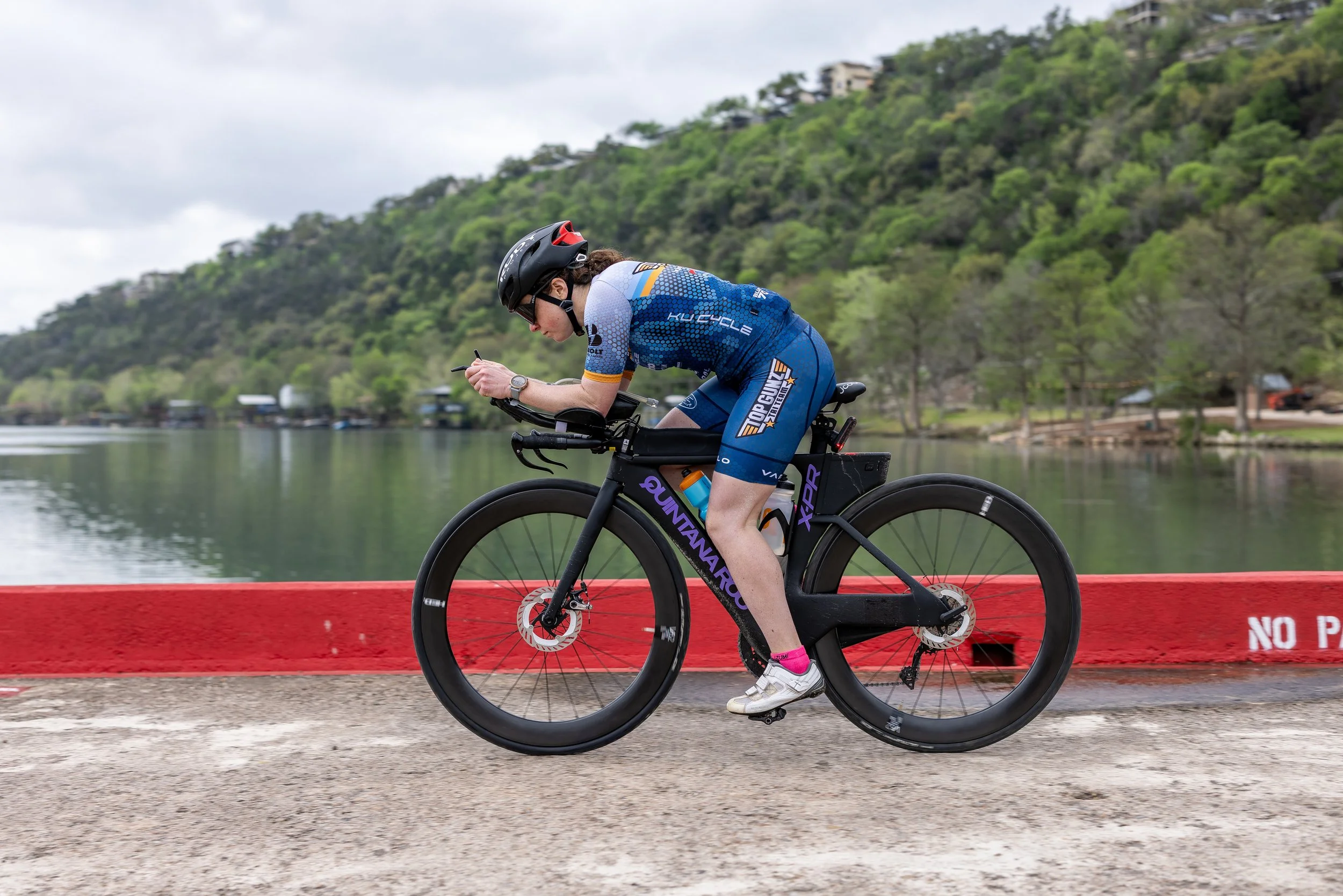
Getting injured doesn’t just affect your body—it disrupts your routine, your goals, and often your identity as someone who trains consistently.
So when pain shows up, most active adults fall into one of two extremes:
Stop everything completely and lose momentum
Push through it and hope it goes away
Neither approach works particularly well long-term.
If you’re in Brookline or the Greater Boston area and dealing with an injury, the better question is not:
“Should I stop training?”
It’s:
“How do I keep training in a way that actually helps me recover?”
Is it safe to train through an injury?
In many cases, yes—but only if it’s done strategically.
Most injuries are not situations where all movement needs to stop. Instead, they require:
Adjusting load
Modifying activity
Progressively rebuilding capacity
This is very different from ignoring pain or pushing through worsening symptoms.
Why stopping completely often backfires
It’s natural to think rest is the safest option.
But complete rest often leads to:
Loss of strength
Reduced tissue tolerance
Decreased conditioning
A harder transition back to activity
This is one reason why injuries tend to come back after time off. If you haven’t addressed the underlying issue, the same stress will produce the same result. If that cycle sounds familiar, it’s worth understanding why rest alone doesn’t fix injuries and what actually drives recovery.
Why pushing through pain doesn’t work either
On the other end of the spectrum is pushing through symptoms.
This can lead to:
Increased irritation
Compensation patterns
Worsening of the injury
The goal is not to ignore pain—it is to use it as feedback.
Understanding the “load management” approach
The middle ground between rest and pushing through is load management.
This means adjusting how much stress you place on your body so that:
It is enough to maintain and build capacity
But not so much that it worsens symptoms
This is based on the same load vs capacity framework that drives both injury and recovery. If you’re not familiar with that concept, this guide on how load and capacity influence injury risk and performance breaks it down in more detail.
What does training through injury actually look like?
Instead of stopping everything, you modify your training.
This might involve:
1. Adjusting intensity
If something hurts at high intensity, you may be able to:
Reduce speed (for running)
Lower weight (for lifting)
Decrease effort
This keeps the movement in your program without overloading the system.
2. Modifying volume
Sometimes the issue is not the movement itself, but how much of it you’re doing.
You can adjust:
Total mileage
Number of sets or reps
Workout duration
This is often one of the simplest and most effective changes.
3. Changing the type of activity
If a specific movement is aggravating, you can often substitute with something similar but less stressful.
For example:
Running → cycling or incline walking
Deep squats → partial range or different variations
Plyometrics → controlled strength work
This allows you to stay active while reducing load on the irritated area.
4. Maintaining strength training
Strength training is one of the most valuable tools during injury.
It helps:
Maintain muscle capacity
Support recovery
Improve long-term resilience
If you’re unsure how to structure this, this guide on how to safely build strength after pregnancy or injury for running and lifting outlines how strength progression supports return to activity.
How do you know if what you’re doing is “too much”?
This is where many people get stuck.
A useful way to think about it is through symptom response.
During activity
Ask:
Does pain increase significantly while I’m doing this?
Does it change how I move?
Mild discomfort may be acceptable, but sharp or worsening pain is usually a sign to modify.
After activity (same day)
Do symptoms spike afterward?
Do you feel increased heaviness, soreness, or irritation?
Next day response
This is one of the most important indicators.
Do you feel worse the next morning?
Are symptoms lingering or escalating?
If symptoms increase in this 24–48 hour window, it often means the load was too high.
What is an acceptable level of discomfort?
This is nuanced—and often misunderstood.
In many cases:
Mild, manageable discomfort during activity can be okay
Symptoms should not significantly worsen over time
Pain should return to baseline within 24 hours
This allows you to continue progressing without overloading the system.
Why structure matters
Random modifications can help in the short term, but without a plan, progress is inconsistent.
A structured approach includes:
Clear starting point
Defined progression
Ongoing assessment
Adjustments based on response
This is what allows you to move forward—not just stay in a holding pattern.
Common mistakes when trying to train through injury
1. Changing too many things at once
If you adjust everything, it’s hard to know what’s helping or hurting.
2. Progressing too quickly
Feeling better often leads to jumping back too fast.
3. Ignoring delayed symptoms
Many people only pay attention to how they feel during the workout—not after.
4. Avoiding all discomfort
Completely avoiding any sensation can limit progress.
How this fits into a full recovery plan
Training through injury is not the end goal—it is part of the process.
A complete plan also includes:
Identifying contributing factors
Building strength and capacity
Gradually returning to full activity
If you’re trying to understand where this fits within the bigger picture of rehab, this breakdown of performance physical therapy vs traditional PT for active adults explains how a more structured approach leads to better outcomes.
Why this matters for active adults in Brookline
If you’re someone who values consistency in training, stopping completely is rarely realistic—or necessary.
At the same time, pushing through pain often leads to longer setbacks.
In a place like Brookline and Boston, where training, racing, and staying active are part of daily life, having a way to stay in motion while recovering is essential.
What does successful training through injury look like?
It should feel like:
You’re still active and consistent
Symptoms are stable or improving
Strength and capacity are gradually increasing
You’re moving toward full return—not away from it
The bottom line
You don’t have to choose between stopping completely and pushing through pain. With the right approach, you can continue training in a way that supports recovery instead of delaying it.
If you’re in Brookline and trying to stay active through an injury
You don’t need to guess your way through what’s safe.
A structured plan can help you:
Modify training without losing progress
Address the root cause of your injury
Build back toward full activity with confidence